
Trace Towns County Former Owners
Build the sequence from actual transfers. A bare list of names proves little. Each earlier deed in the chain should carry the same legal description and, where one is stated, point to a prior book and page. Watch the dates, instrument types, and acreage changes, because those details tell you whether the property search has stayed on the same tract or drifted onto neighboring land.
| Transfer Date | Grantor to Grantee | Deed Type | Book/Page |
|---|---|---|---|
| Newest recording | Prior owner to current grantee | Copy the indexed deed type | Copy the exact reference |
| Earlier recording | Earlier grantor to the prior owner | Copy the indexed deed type | Follow the cited prior deed |
| Older book entry | Earlier owner pair | Read the physical deed heading | Clerk book and page |
Treat this as a worksheet rather than a finished sample chain. No private names belong in it. When a deed shows both an execution date and a recording date, record each one. Signing and filing are separate events. Some links also stay murky until you pull a related instrument. That could be a correction deed, quitclaim, estate deed, or tax deed.
Towns Deed Index Starts at 1999
The GSCCCA Real Estate Index covers every Georgia county from at least January 1, 1999. Historic data keeps being added. That date is a statewide baseline. It does not promise that every older Towns County deed image is online. A failed web hit never proves a deed went unrecorded.
The index supports searching by name, book and page, property, county, party role, instrument type, and date. Set the county to Towns first. Search both name directions as the chain moves back. An image may be gated or absent. Take the book and page to the Clerk's terminal or deed room.
Online cutoff. Treat 1999 as the verified statewide baseline. Earlier Towns County former owners may require local deed books, microfilm, archives, or parent-county records.
Reconstruct Towns County Deed Chains
Each pass turns one deed's seller into the buyer search for the next older deed. Keep the legal description beside the names the whole way. Common surnames, spelling drift, married names, and entity variants can all manufacture false links in Towns County deed records if the land description is ignored.
- Find the current grantee's acquisition deed and record the grantor, book/page, date, deed type, and description.
- Search that grantor as an earlier grantee and match the tract by legal description and prior references.
- Repeat the process, logging each gap, spelling form, split, merger, or change in acreage.
- At the online edge, continue with the Clerk's books, GSCCCA references, Archives cards, and parent-county material.
- Grantor
- The party conveying an interest in the recorded deed.
- Grantee
- The party receiving that interest.
- Chain of title
- The ordered sequence of instruments affecting ownership of the same land.
- Reverse index
- An index organized to help search the other party role or direction.
- Warranty and quitclaim
- Different deed forms that must be read; neither should be judged from its label alone.
Towns Deed Books Go Deeper
The Towns County Clerk of Superior Court keeps the physical deed books in Hiawassee. The office sits at 48 River Street, Suite E. Local reporting in 2024 and 2025 placed the book sequence in the mid-700s. Books run about 850 pages. The room draws more than 50 real-estate-related visitors a day. Those reports describe an active records operation, not an exact historical coverage promise.
Call 706-896-2130 with the book and page, party names, date range, and legal description. Ask where the source sits. It may be a current book, an older index, a terminal, or microfilm. Copy and certification fees change. Request the current amount and payment method before ordering anything.
Search Past Towns County Grantees
The GSCCCA search landing page gathers the statewide routes used for Towns County previous owner work. Options include Real Estate Name Search, Book Page Search, and Property Search, plus separate plat and lien routes. Each doorway leads to index entries.
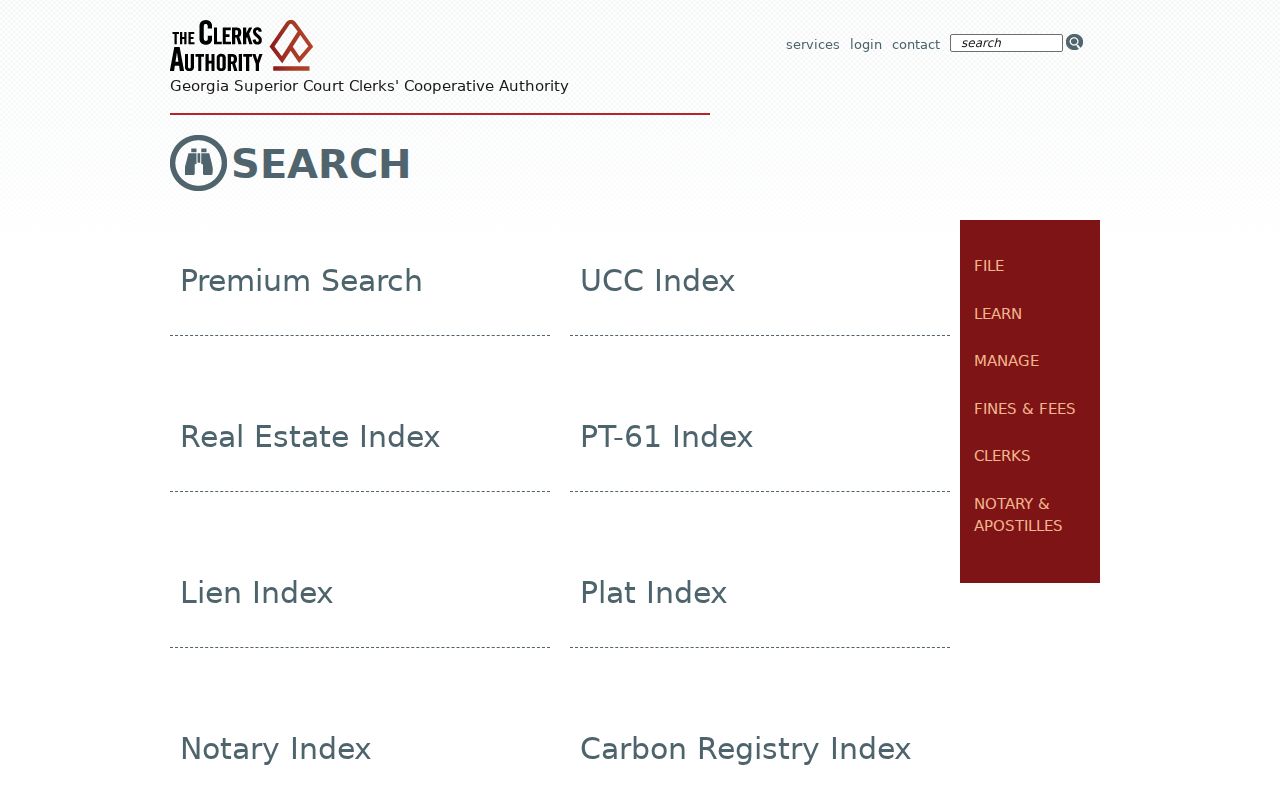
The portal only locates index entries. Read the deed image and match the land to the parcel before adding any name to your Towns County ownership timeline.
Before Towns County Existed
Towns County was created in 1856. A tract with an older chain may therefore run into Union or Rabun County records. That can happen before Towns kept its own books. Start with a known Towns deed. Follow its prior references rather than jumping to a parent county on a surname alone.
The courthouse history lists an 1857 first courthouse. It also lists a 1905 replacement and the present 1964 building. No account records a fire destroying a specific Towns deed run. So test a missing record against spelling, indexing, book range, image status, and parent-county custody. Do that before blaming a loss that never happened.
Archives Extend Towns Ownership History
The Georgia Archives county-card index works as a finding aid for county microfilm. It does not promise that every deed image is online.
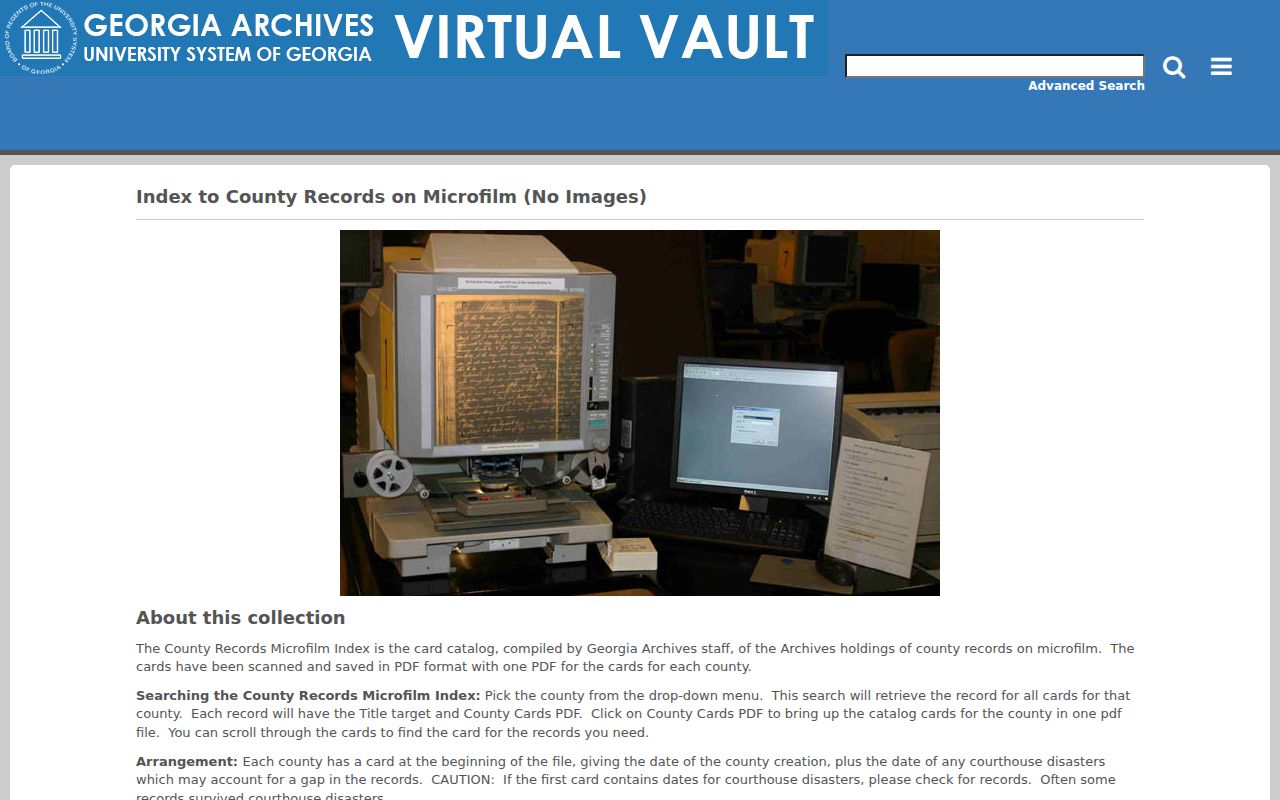
Use county cards, Archives finding aids, FamilySearch wills and deeds, probate collections, tax digests, and local history sources to identify a record. Then cite the actual deed or probate file. Historical Society and Mountain Regional Library material can supply names and dates. Context is not title proof. A newspaper mention or cemetery entry sits beside the chain, never inside it.
Towns Estates Break Simple Chains
A death can break the chain. Some owners pass away without a routine sale deed ever recording, so look instead for an executor deed, an administrator deed, or a trustee deed. Affidavits of death, survivorship filings, and probate orders matter too. Heirs may convey years later. Towns Probate sits at 48 River Street, Suite C, in Hiawassee, and staff there can explain how to reach an estate file.
Georgia vital records carry limits on age and relationship. An obituary can narrow a date range. It cannot transfer land, though. Tie each estate event to the deed description and the recorded conveyance before naming any previous owner of record.
Security deeds, releases, easements, and liens often sit between ownership transfers. They matter in a title review. Not every one creates a new owner. Keep these in a separate column of related instruments rather than folding each party into the former-owner timeline. A foreclosure notice or a delinquent-tax advertisement is only a lead. It becomes part of the chain once a completed deed or other transfer appears.
Addresses change. When one does, follow the land description and the map clues. Towns County E911 records can explain a newer structure address, while the recorded plat preserves the older lot framework. The chain should follow the land. The street label alone will not do.
Measure Towns Ownership Record Depth
No single verified date marks the start of every Towns County ownership source. The GSCCCA baseline is 1999. Towns County Clerk books reach further back. The county began in 1856, and parent-county or state land records can reach older still. The sound endpoint is the oldest linked instrument that deed records can document, not an unsupported promise that one website covers the whole chain.
Lawful use. Trace former Towns County owners for house history, estate work, and property diligence. Never use the record trail to track or harass a living person.
Need the certified owner of record today? Use the Towns County current owner record instead. A title attorney should review gaps, competing conveyances, and legal effect whenever the result will support a transaction or dispute.